
Our Blog
What is the waste management hierarchy?
Posted 7 months ago
We all produce a fair bit of rubbish; it’s just a side effect of modern life. But have you ever actually stopped to think about what happens to that takeaway coffee cup or the knackered old sofa once it’s out of your sight? Dealing with waste isn’t just about chucking it away; it’s about handling it in the smartest, most eco-friendly way possible.
This is where the waste management hierarchy comes in. Think of it as a roadmap designed to move us away from a throwaway culture and toward a circular economy, where we keep materials in use for as long as we can to pack a punch against our carbon footprint.
This article will explain what is the waste management hierarchy and what are the 5 steps of waste hierarchy to help you understand how to manage your waste more sustainably.
What is the waste management hierarchy?
In the UK, this isn’t just a set of nice-to-have suggestions. It’s actually a legally mandated ranking under the Waste Regulations 2011.
The hierarchy serves as a guide for everyone, from a busy household to a massive corporation on how to deal with their leftovers. The goal is straightforward: get the absolute maximum benefit from products while creating as little actual waste as possible.
What are the 5 steps of waste hierarchy?
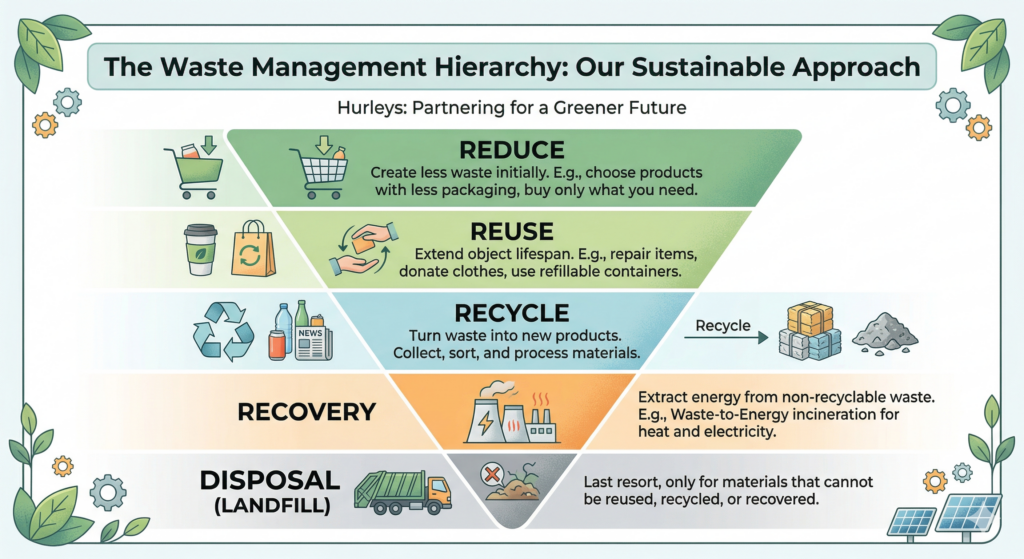
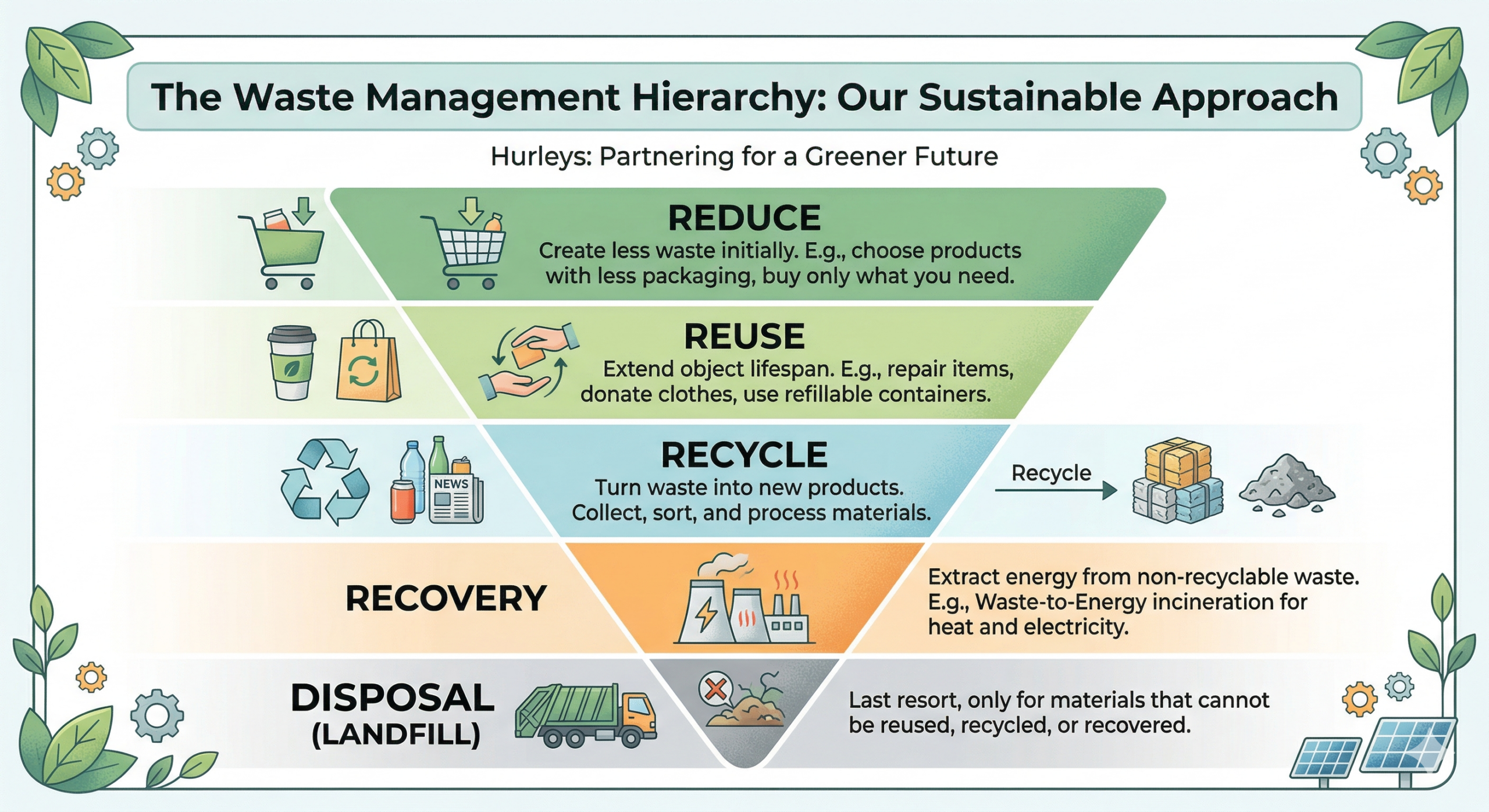
The hierarchy is usually shown as an upside-down pyramid. You always want to aim for the top layers before sliding down to the bottom.
1. Prevention
The best way to manage waste? Don’t create it. This is all about being a bit more mindful before we tap our cards at the till.
Choosing loose veg over plastic-wrapped packs, buying in bulk, or picking high-quality gear that won’t break in a month.
2. Preparing for Reuse
Before you bin something, ask, ‘Is it really finished?’ This step is about cleaning or repairing items so they can do their original job again without needing a factory to melt them down.
Fixing a wobbly chair leg, washing out glass milk bottles, or passing old clothes on to a charity shop.
3. Recycling
When an item truly hits the end of its life, it’s time to recycle. This breaks waste down into raw materials to build something entirely new.
Turning plastic bottles into gym gear or mashing up old newspapers into fresh cardboard boxes.
4. Other Recovery
Sometimes, a material is too far gone to be recycled. But even then, we can still get something out of it, usually energy.
Using food waste for anaerobic digestion (creating fertiliser and gas) or burning non-recyclable waste to generate electricity for the National Grid.
5. Disposal (The Last Resort)
This is the very bottom of the pile: landfill or incineration without any energy recovery. This should only ever happen when every other option has been exhausted. It’s a literal waste of resources.
Why is the waste hierarchy important?
Whether you’re at home or running a business, sticking to these steps makes sense:
- Helping the Planet: It saves natural resources and seriously cuts down on the greenhouse gases heating up the planet.
- Saving Cash: For businesses, less waste means lower disposal fees. For the rest of us, buying less and reusing more keeps more money in our pockets.
- Staying Legal: UK businesses have to prove they’ve followed the hierarchy during waste audits. It’s not just green; it’s the law.
How Hurleys Skip Hire does the heavy lifting
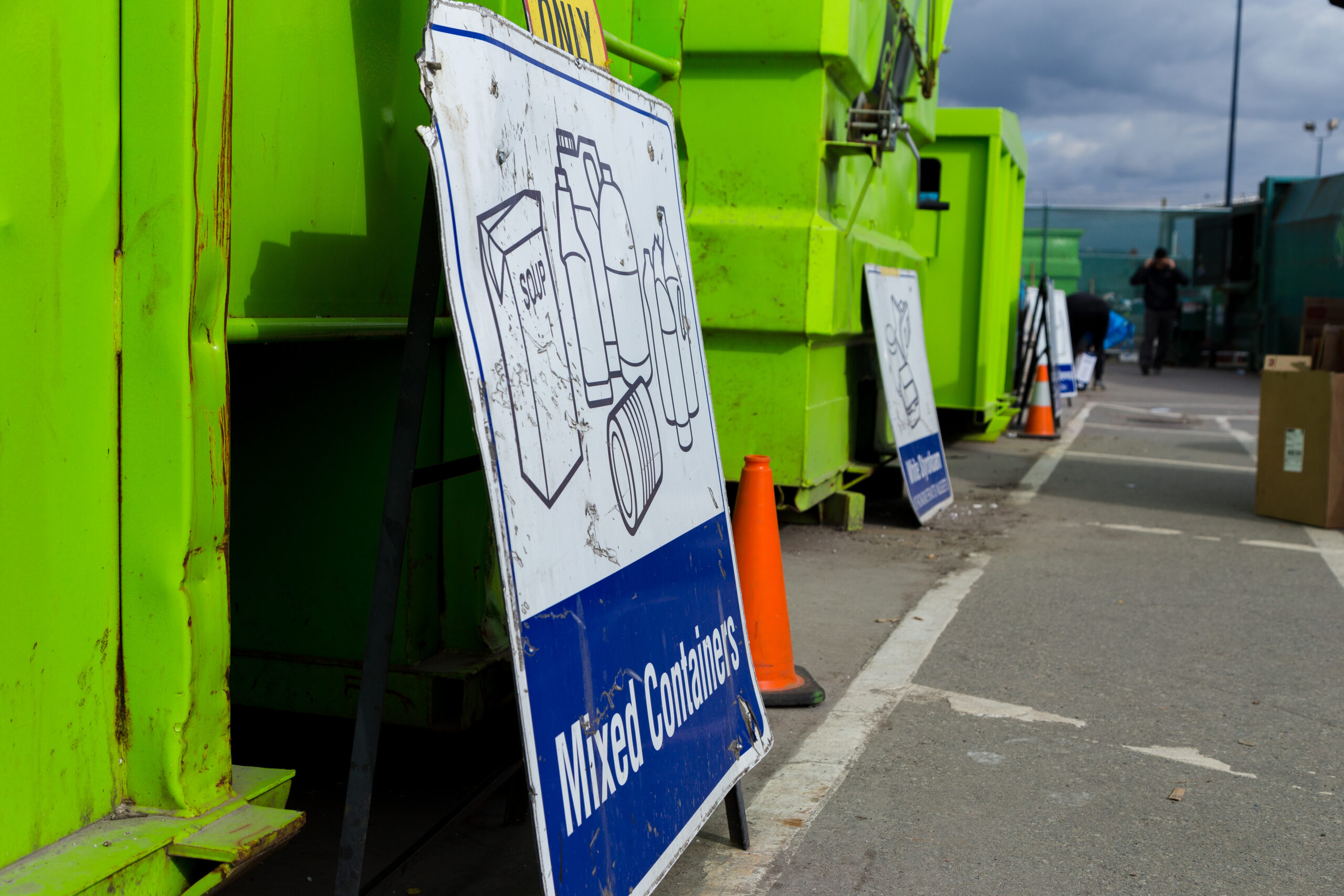
You might think a skip is just a big bin that ends up in a hole in the ground, but at Hurleys Skip Hire, we do things differently. We play a massive part in the recycling and recovery stages.
When you hire a skip from us, your waste doesn’t just vanish. We take it back to our site and sort through it with a fine-tooth comb, pulling out metals, wood, plastics, and hardcore to be recycled. Our mission is to divert as much as we possibly can away from landfill, helping you stay both green and compliant without a headache.
To keep it simple, the path to a cleaner UK follows five steps: prevent, reuse, recycle, recover, and, only if you must, dispose.
By shifting how we look at waste, seeing it as a resource rather than a nuisance, we can make a huge difference. So now you know what the waste hierarchy is; next time you go to bin something, have a quick think: could it have a second life? Those small habits are what lead to the big changes we need.
< Back to Blog