
Our Blog
Overloaded Skips: The Dangers Explained
Posted 3 months ago
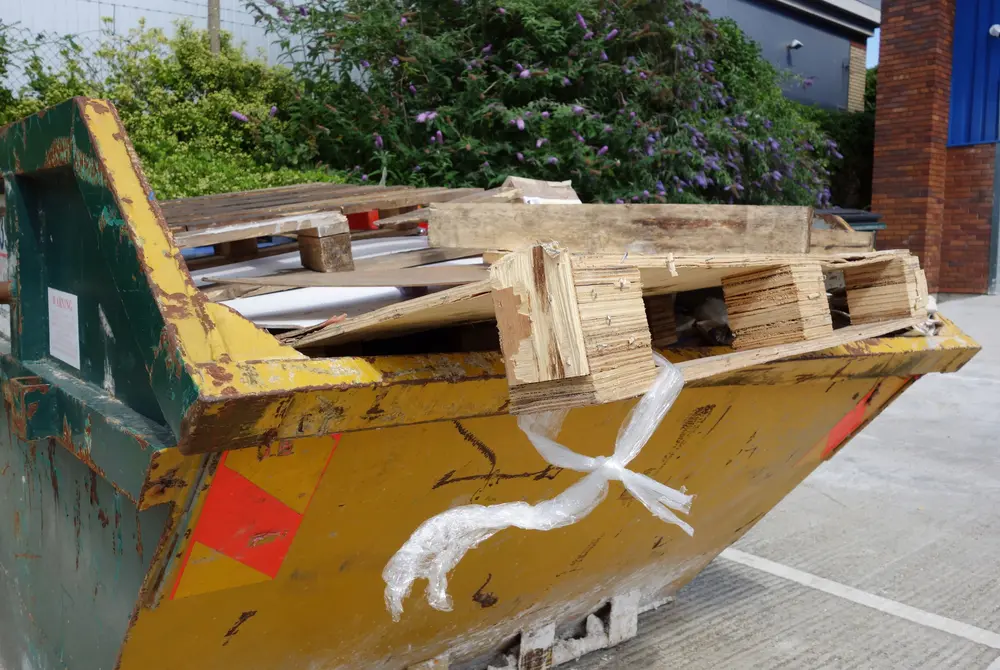
Many people want to continue filling their skip past the fill line because they do not realise the problems this can cause. An overloaded skip can create risks for our drivers, pedestrians and other road users, as well as potentially causing complications for your project.
Whether you are carrying out a home renovation, gardening project or office clear-out, choosing the right skip size from the start can help you avoid overloading. At Hurleys Skip Hire, we can help you find a skip that is suitable for the amount and type of waste you need to dispose of.
The Dangers of Overloaded Skips
There are several reasons why you should avoid an overloaded skip. One of the biggest concerns is safety during transportation. When waste is piled above the fill line, items can fall out of the skip while it is being moved. This could create a hazard for pedestrians, cyclists and other drivers.
An overloaded skip can also be difficult and potentially unsafe for our drivers to transport. Skips need to be loaded correctly so that waste remains contained throughout collection and transportation. The fill line is there for an important reason and should always be respected.
There are also legal requirements surrounding the transportation of waste. If a skip is overloaded, we may be unable to collect it until the waste has been reduced to a safe level. This can cause delays and may mean that you need to arrange additional waste removal before collection can take place.
Keeping waste within the permitted fill level also supports responsible waste management. When skips can be transported safely to our waste facilities, materials can be processed and, where possible, recycled or reused rather than being unnecessarily diverted to landfill.
What Happens If You Have an Overloaded Skip?
If your skip is overloaded when we arrive to collect it, we may have to refuse collection. This is not simply an inconvenience; it is necessary to ensure that the skip can be transported safely and in line with legal requirements.
An overloaded skip may need to be reduced to the correct level before it can be collected. Depending on the circumstances, this could mean removing some of the waste yourself or arranging additional collection.
There may also be additional charges associated with dealing with an overloaded skip. More importantly, an overloaded skip can delay your project, particularly if you are relying on the skip being removed before another stage of your renovation, construction or clearance work can begin.
To avoid these problems, check the fill level regularly throughout your project rather than waiting until the skip is completely full.
When Is a Skip Too Full?
A skip is too full when the waste rises above the clearly marked fill line. As a general rule, this line is positioned around 80% of the skip’s capacity.
It is important not to treat the remaining space as an opportunity to pile waste above the line. The space is needed to ensure that the contents remain safely contained during transportation.
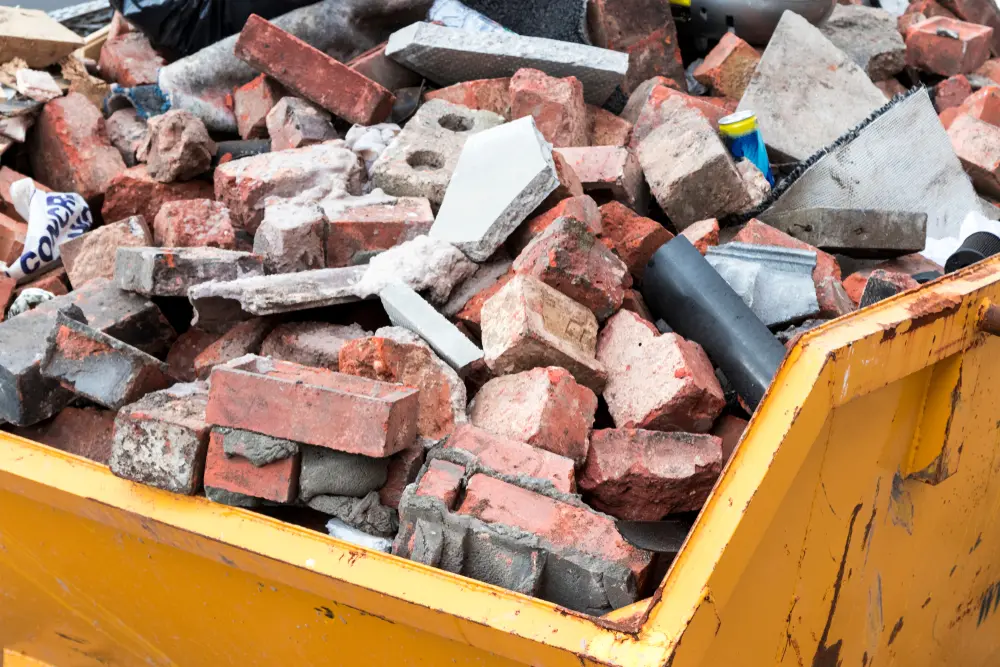
You should also consider the weight of the waste you are putting into the skip. Different types of waste can have very different weights, and some materials may be subject to specific restrictions. Heavy materials such as soil, rubble and bricks can quickly make a skip difficult to transport even when it does not look particularly full.
If you are unsure whether your waste is suitable for a particular skip, speak to your skip hire provider before filling it.
How to Avoid an Overloaded Skip
The easiest way to prevent a skip overloaded with waste is to plan ahead. Choosing an appropriate skip size and loading it carefully can make a significant difference.
Choose the Right Skip Size
Think about the amount of waste your project is likely to produce before ordering your skip. Trying to save money by choosing a smaller skip can backfire if you end up needing an additional collection or another skip.
For smaller clear-outs and household projects, a midi skip may be suitable. Larger renovation and building projects may require a builder skip, while particularly large projects could benefit from a maxi skip.
If you are unsure which option is right for you, our team can help you select a suitable skip based on the type and volume of waste you expect to produce.
Distribute the Weight Evenly
Start by placing heavier materials at the bottom of the skip. Items such as bricks, rubble and soil should be distributed evenly rather than piled heavily in one area.
Lighter materials can then be placed on top. This helps prevent the skip from becoming unbalanced and makes better use of the available space.
Break Down Large and Bulky Items
Large furniture, boxes and other bulky items can quickly take up valuable space. Where possible, break items down into smaller pieces before putting them into the skip.
For example, dismantling furniture can make it easier to arrange the waste efficiently and reduce unnecessary gaps between items.
Don’t Allow Anything to Overhang
Never allow waste to stick out over the sides of the skip. Even a small amount of overhanging material can become a hazard when the skip is moved.
Check the sides and top of your skip regularly and make sure everything remains contained below the fill line.
Separate Hazardous Waste
Make sure you know what can and cannot be placed in your skip. Some materials are classed as hazardous waste and require specialist disposal.
Do not use your skip for prohibited materials simply because there is space available. If you are unsure about a particular item, ask your skip hire provider before disposing of it.
Compact Waste Carefully
Breaking down or arranging waste can help you make better use of your skip’s capacity. However, avoid compacting waste in a way that could damage the skip or create a safety risk.
Good organisation is usually more effective than simply trying to force more waste into the container.
Plan Your Skip Hire Carefully
Avoiding an overloaded skip starts before the skip arrives. Estimate how much waste your project will generate, consider the types of materials involved and choose a suitable skip size.
Once your skip is delivered, keep an eye on the fill level throughout the project. Staying below the marked line and ensuring that all waste is safely contained will make collection easier and help protect our drivers, pedestrians and other road users.
If you think your project may produce more waste than expected, it is better to arrange an additional skip than risk overloading one. A little planning can help prevent collection delays, additional costs and unnecessary safety risks.
At Hurleys Skip Hire, we can help you choose the right skip for your project and advise you on safe waste disposal. Whether you are renovating your home, clearing a garden or managing a larger building project, choosing the right capacity from the outset can help keep your waste management safe, straightforward and efficient.
< Back to Blog